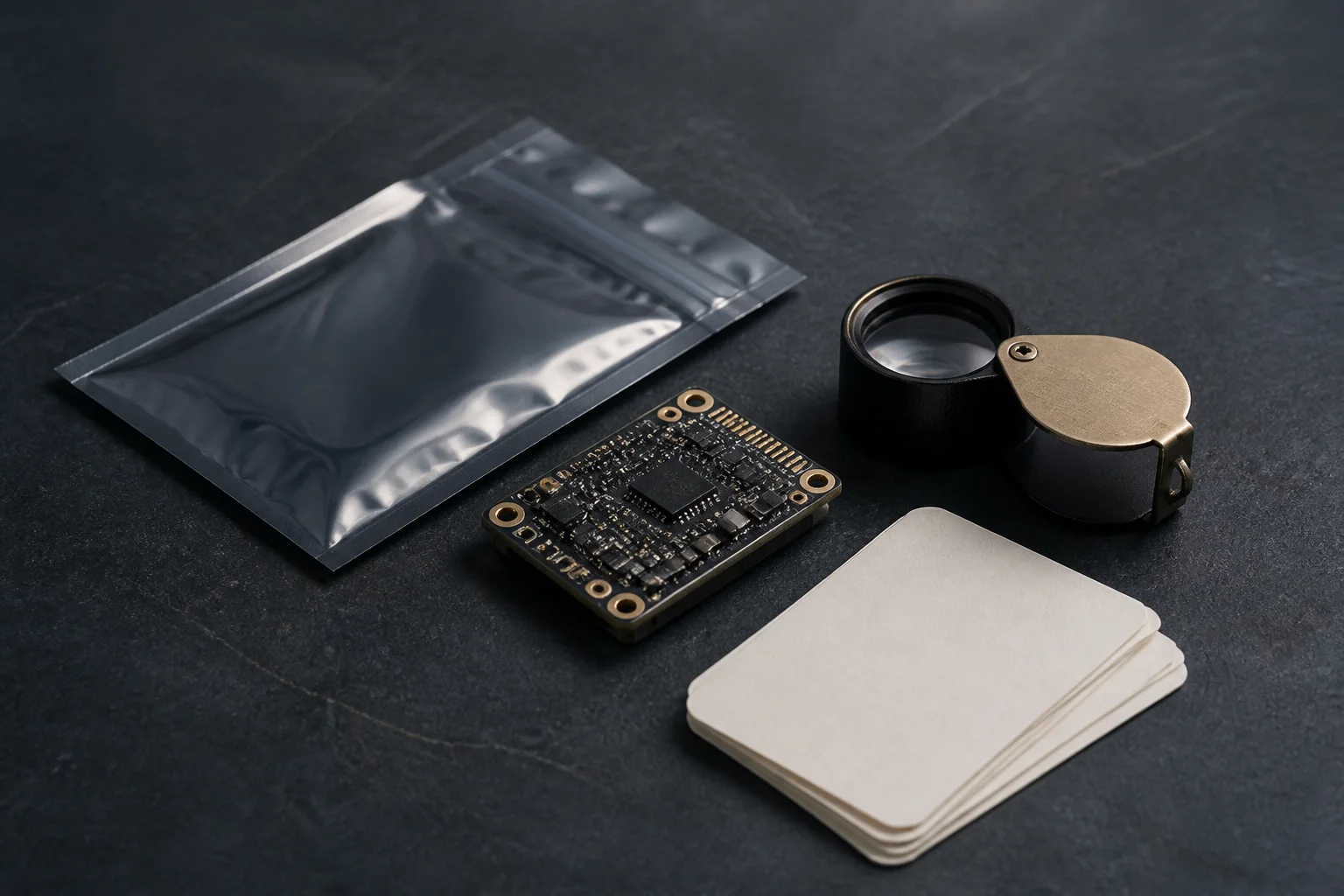
How to Verify an Electronics Supplier
Check an electronics supplier's identity, authorization, stock, payment details and warranty with an evidence worksheet and a worked buying scenario.
Read article Electronic Seek
 Find electronics research guides and downloadable worksheets for supplier checks, model comparisons, first orders and total-cost decisions.
Check an electronics supplier's identity, authorization, stock, payment details and warranty with an evidence worksheet and a worked buying scenario.
Read article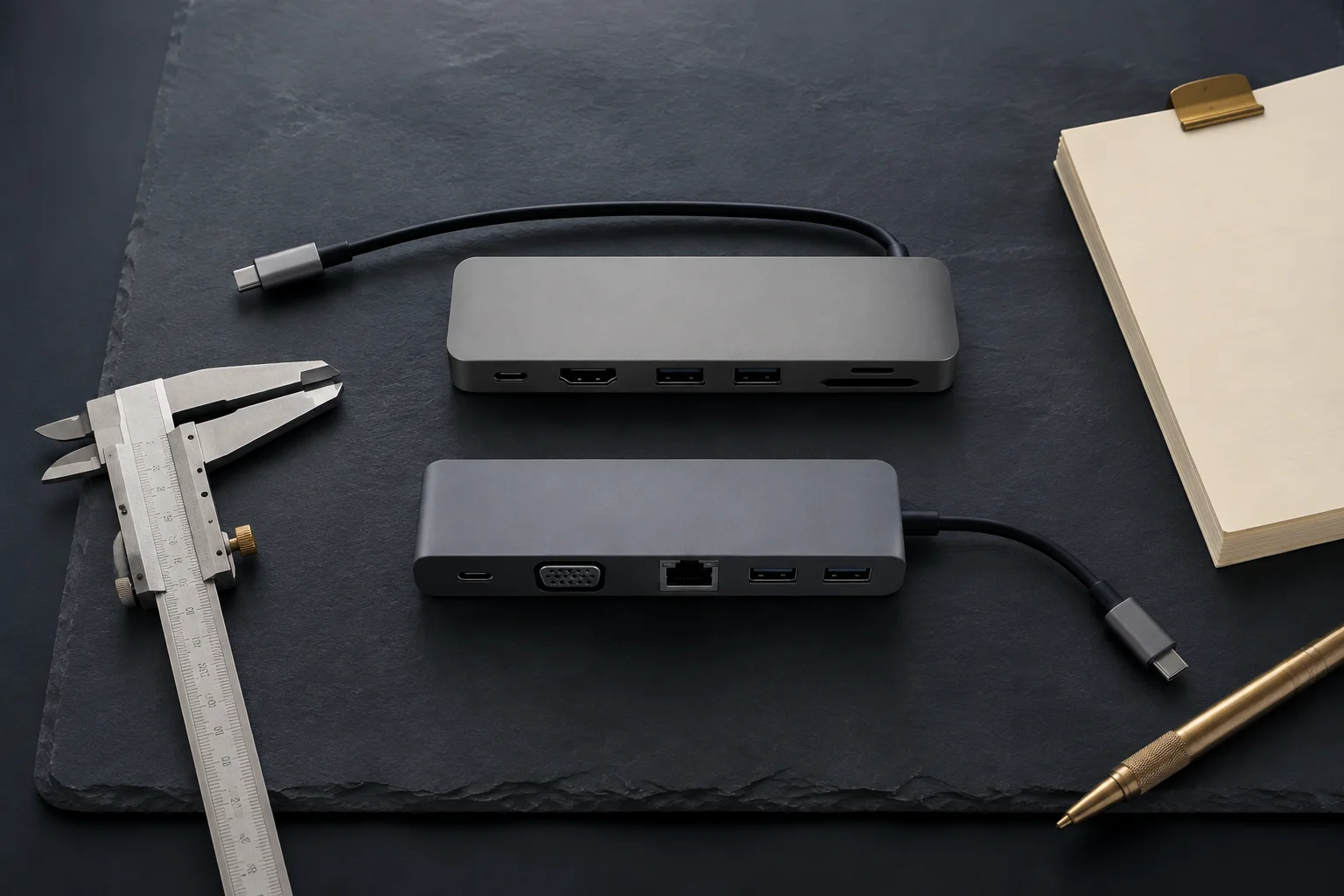
Compare exact electronics models with a requirements matrix covering identifiers, regional versions, test conditions, accessories and unresolved claims.
Read article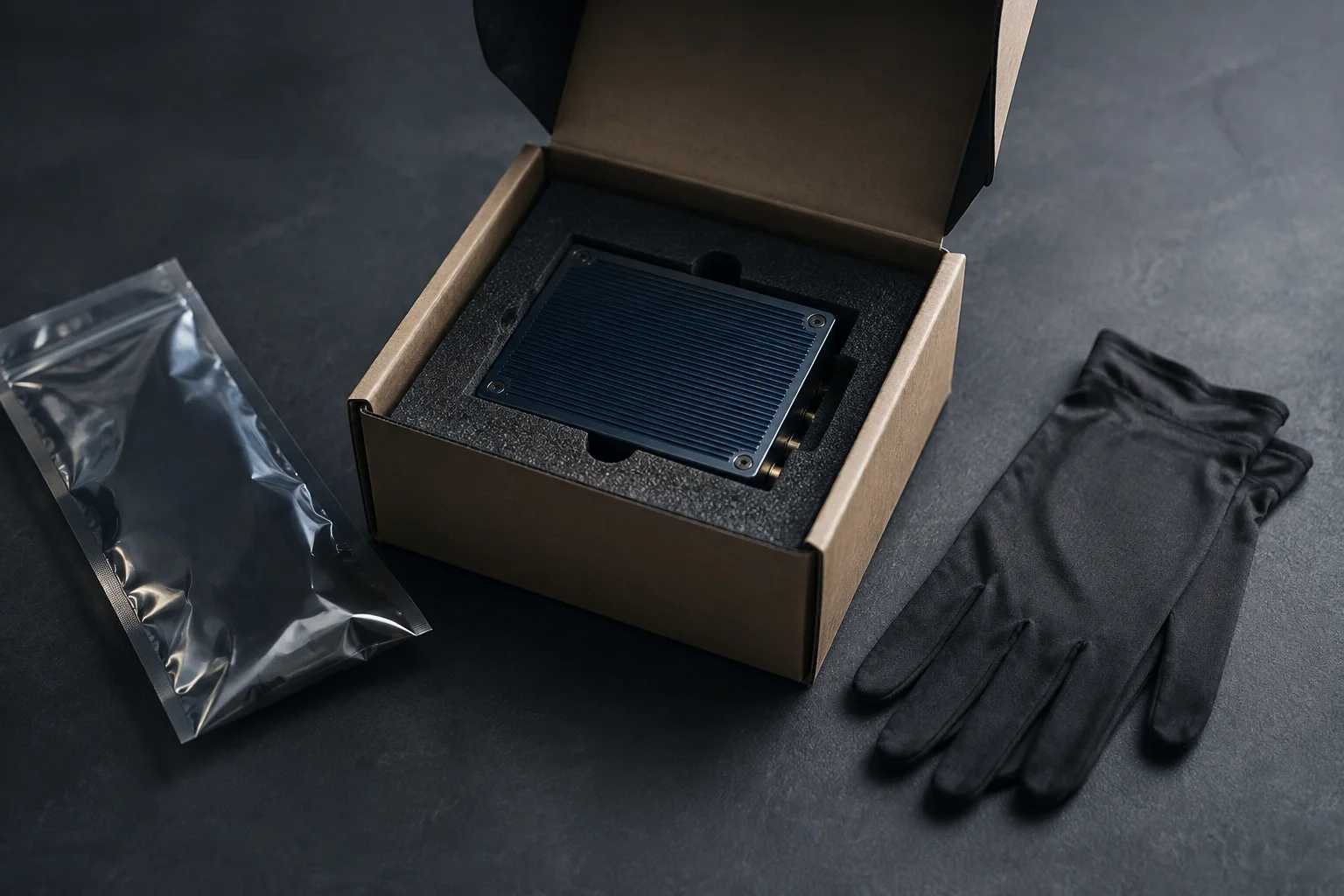
Use an electronics first-order checklist to freeze model details, verify payment changes, inspect the shipment and document shortages or defects.
Read article
Compare electronics wholesale offers using freight, inspection, accessories and defect costs, with a worked 100-unit example and sensitivity worksheet.
Read articleThis library organizes electronics research around four different outputs: a supplier evidence record, a specification matrix, an order checkpoint log and a comparable cost calculation. The article cards above link to the full explanations. This directory helps you choose between them and return to the right working file later.
If you are starting without a defined requirement, begin with the specification guide. If a requirement already exists but the seller’s supporting evidence is incomplete, begin with supplier verification. Use the order checklist when decisions need to become assigned tasks. Use the cost guide to compare suitable offers, keeping unresolved assumptions visible.
Read How to Verify an Electronics Supplier and download the supplier-verification CSV. Use the file to organize claims and supporting records before reaching a purchasing decision. It is not an approved-vendor list and does not perform a background check for you.
Keep the original claim distinct from your conclusion. “Document requested” and “document reviewed” are different states; neither should be silently rewritten as “verified” because the next task is due. The Sourcing topic guide explains how to frame that evidence work.
Read How to Compare Electronics Specifications and Regional Models and download the specification-comparison CSV. Start with the requirement you are trying to satisfy, then record the offered configuration and its source. The matrix is for a particular comparison, not a universal database of compatible products.
If two offers use different descriptions, preserve both original descriptions until the difference is resolved. The Buying Guides topic provides a useful starting brief for that task.
Read the Electronics First-Order Checklist and download the first-order-checklist CSV. Use it to assign the person responsible for each checkpoint and connect completion to a record. The file does not authorize payment, negotiate an agreement or monitor a shipment.
Carry unresolved questions forward explicitly. A task postponed from agreement to shipment should still have an owner and a reason. The Procurement topic focuses on that handover between stages.
Read Electronics Wholesale Total Cost and download the total-cost-example CSV. The article states the hypothetical quantity, currency, cost assumptions and exclusions. It demonstrates a method rather than reporting current supplier quotes or typical defect rates.
This download is a static numerical snapshot, not a spreadsheet calculator. Changing a number does not update other rows. Recalculate your own version separately and preserve the assumptions behind it. The Market Notes topic explains what to collect before attempting the comparison.
Downloadable rows cannot carry every qualification in an article. Read the guide first, retain the relevant notes, and replace the illustrative material with your own documented information. Store confidential commercial records in your own controlled files; there is no upload or transaction-processing function in this library.
When reopening a saved file, compare it with the current article’s updated date and revision note. A copy you downloaded earlier will not update itself. Record which version informed your decision so another reader can reconstruct the reasoning without guessing.
The present collection is not a brand encyclopedia, a catalog of regional model variants or a list of vetted supply channels. Those would require separate records and evidence. These guides also do not replace product-specific documentation or professional advice on a particular transaction.
The Editorial Desk identifies the publishing byline. The methodology explains the AI-assisted preparation, source checks and outstanding independent review. For a suspected error, the contact page explains what to record and makes clear that a verified public submission channel is not yet available.